

Singapore is home to nearly 5.9 million people and an incredible diversity of native wildlife. With over 537 species of birds, mammals, and reptiles, encounters between humans and wildlife are becoming more frequent.
As urban development continues, natural habitats shrink and fragment, pushing wildlife into our shared spaces in search of food and shelter. It’s more important than ever that we appreciate our biodiversity and work towards a future where people and animals coexist harmoniously.
ACRES proudly launched Singapore’s first handbook on wildlife coexistence. Click here to view or download your copy ACRES Coexistence Handbook.
This campaign empowers communities to coexist peacefully with Singapore’s native wildlife. We conduct roadshows at habitat hotspots with Town Councils, promote student-led solutions to address root causes of conflict, and advocate for humane, preventive measures over culling.
Please refer to OWN’s Wildlife Advisory Resources for more information and look out for more ACRES educational resources in the future.
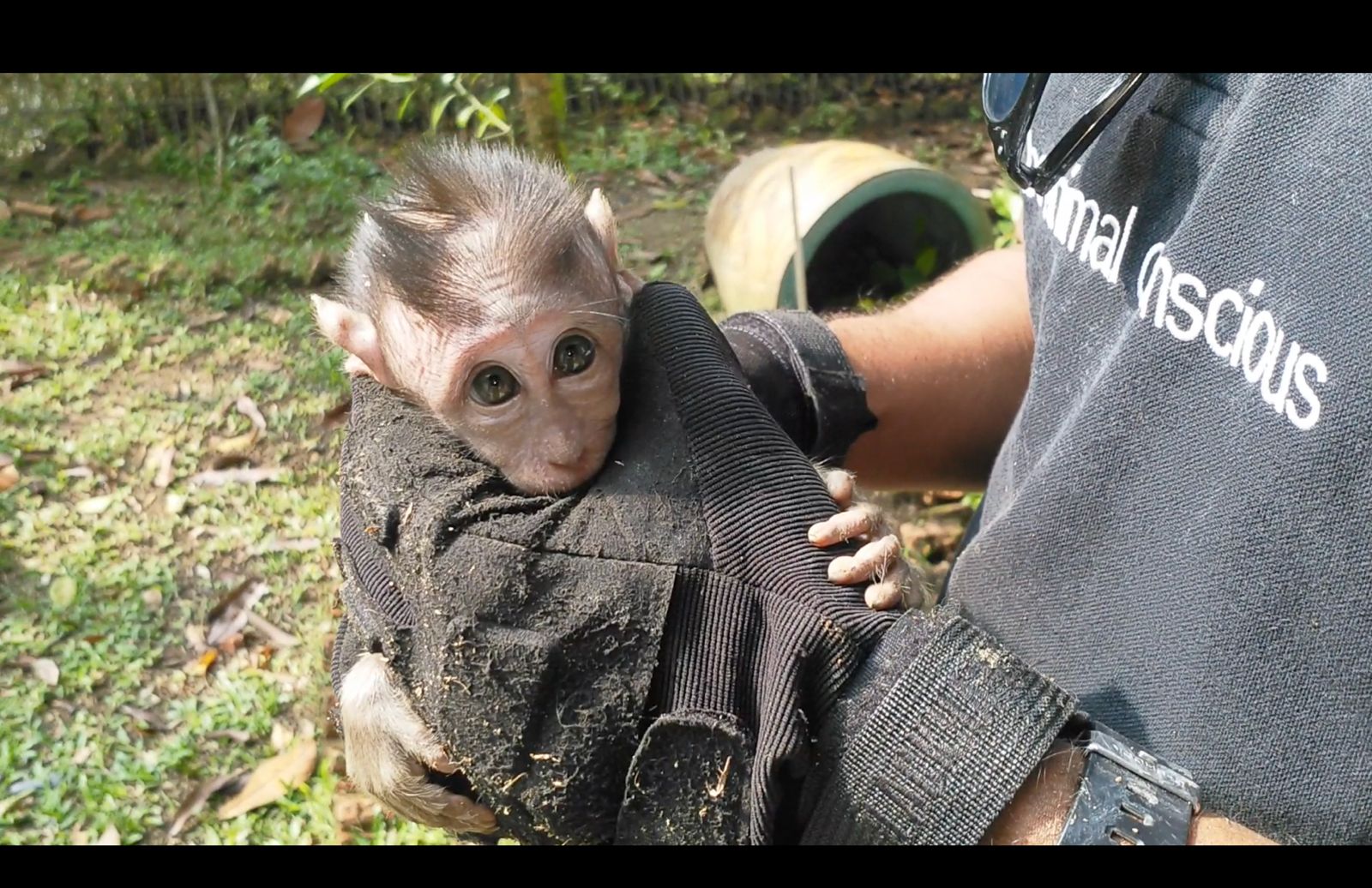
As urban areas expand closer to forest edges, interactions between humans and long-tailed macaques have increased. These intelligent primates are adaptable feeders and, over time, some have learned to associate humans with food often due to intentional feeding or scavenging opportunities near homes and shops. This growing overlap in spaces highlights the need for responsible coexistence.
However, human activities—particularly feeding pigeons by scattering food scraps—can lead to overpopulation and increased congregation in certain areas. Responsible behaviour is key to maintaining a balanced urban ecosystem.
In July 2022, ACRES and SPCA co-organised Singapore’s first-ever Urban Bird Forum to deepen public understanding of our urban bird species and explore ways to reduce human-bird conflict in our city. Participants explored solutions to human-bird conflict after hearing from ACRES, SPCA, and invited experts. The recorded sessions are available on Panel 1: Urban Birds Forum Singapore 2022.
Urban birds like house crows, rock pigeons, and mynas often gather in areas with easy access to food, such as hawker centres, coffee shops, and beneath HDB blocks. Feeding these birds or leaving food waste behind encourages large congregations, which can lead to public complaints and harmful control measures like trapping or poisoning.
Help protect our birds, please do not feed them and dispose of food waste responsibly.
Monitor Lizards and City Life
Monitor lizards, especially the Malayan water monitor, are commonly found in nature parks, canals, and waterways across Singapore. While the larger Malayan water monitor is an excellent swimmer, the smaller clouded monitor prefers trees and is a skilled climber.
As more green spaces are developed under Singapore’s “City in Nature” plan, residential areas near parks and park connectors may occasionally see these shy reptiles passing through in search of food. Monitor lizards do not pose a threat to humans unless provoked.
If you encounter one, observe from a distance and avoid cornering or chasing it. In most cases, the lizard will move away on its own.
Observe Wildlife Responsibly
When encountering otters or any wild animal, it’s natural to want to take a photo or get a closer look. However, for the safety of both animals and people, please observe from a respectful distance.
If the animal appears to be in distress or poses a potential concern, contact the ACRES Wildlife Rescue Hotline at 9783 7782 or the 24-hour NParks Animal Response Centre at 1800-476-1600.